The Psychology of Color in Branding
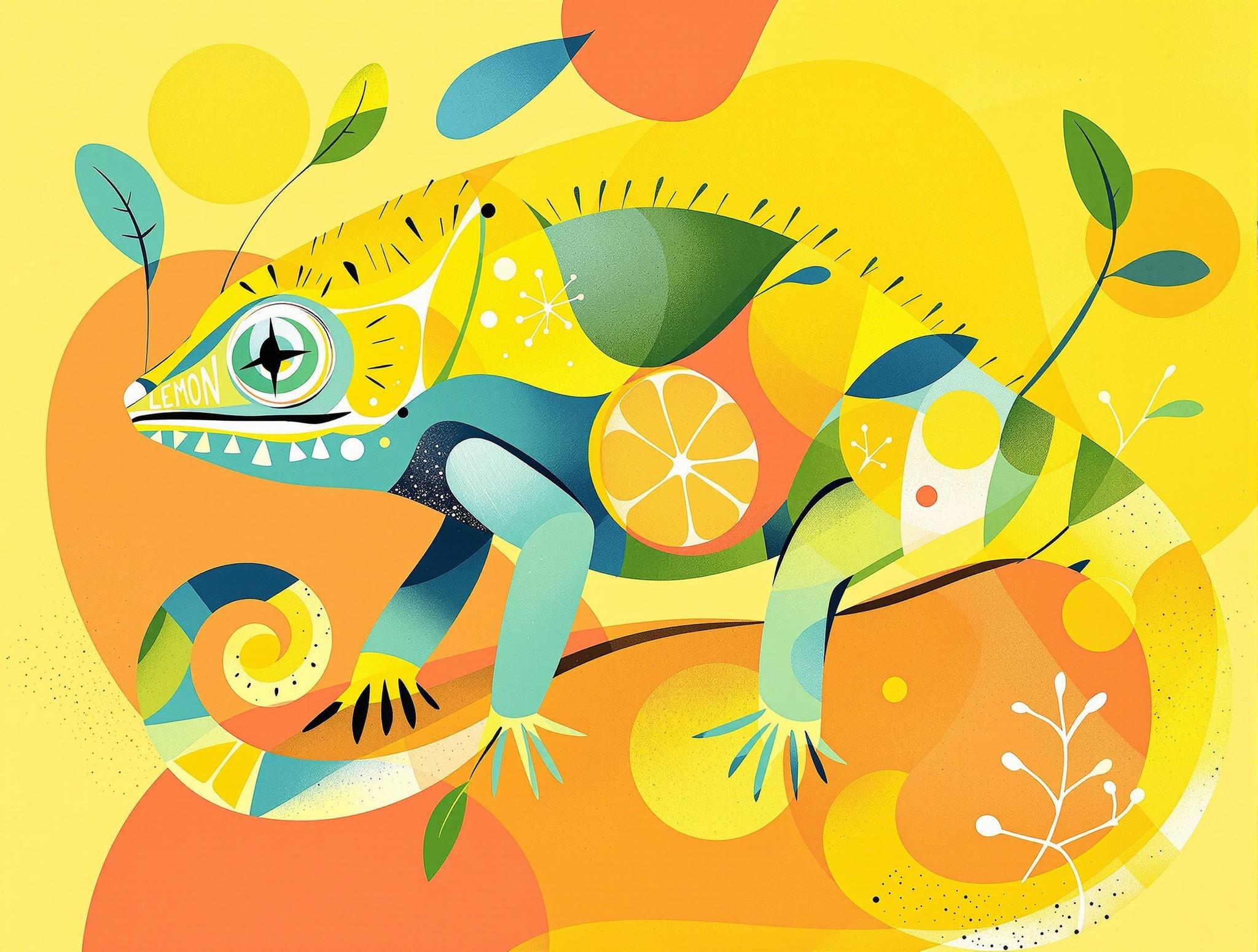
The Psychology of Color in Branding
Color is one of the most powerful tools in branding. Long before we read a single word, our brain processes colors and creates associations and emotions. Choosing the right color palette can dramatically affect how consumers perceive your brand. Let's dive into the world of color psychology.
What is Color Psychology?
Color psychology studies how colors affect human behaviour and decisions. In marketing, it's used to evoke specific emotions, convey a brand's values and differentiate it from the competition.
The Symbolism of Basic Colors
Each color has its own associations, although these can vary slightly depending on culture and personal experience.
- **Red:** Symbolises passion, energy, enthusiasm, but also danger. It's ideal for grabbing attention and evoking strong emotions. Often used in sales, offers and the food industry (e.g. Coca-Cola, McDonald's).
- **Blue:** The color of trust, security, calm and professionalism. It's the most popular choice for corporate brands, especially in tech and finance (e.g. Facebook, IBM, PayPal).
- **Green:** Directly linked to nature, growth, health and harmony. Used by brands that want to highlight their eco-consciousness, freshness or financial prosperity (e.g. Starbucks, Whole Foods, Animal Planet).
- **Yellow:** Conveys optimism, joy, warmth and youth. It's a color that draws attention and creates a sense of happiness. Used to attract attention and create a friendly image (e.g. IKEA, Nikon, National Geographic).
- **Orange:** A blend of red's energy and yellow's joy. Symbolises creativity, adventure and enthusiasm. It's a playful and dynamic color (e.g. Fanta, Nickelodeon, Amazon).
- **Purple:** Traditionally associated with luxury, wisdom, elegance and creativity. Used by brands that want to project an image of prestige, quality and imagination (e.g. Cadbury, Hallmark).
- **Black:** Symbolises sophistication, power, luxury and mystique. It's a timeless, strong color used by high-end brands to convey prestige and seriousness (e.g. Chanel, Nike, Adidas).
- **White:** Represents simplicity, purity, cleanliness and minimalism. Often used to create a sense of space and to emphasise other colors (e.g. Apple).
How to Choose the Right Colors for Your Brand
1. **Consider your brand personality:** What do you want your audience to feel when they think of your brand? Is it serious and trustworthy, or youthful and playful?
2. **Study your target audience:** Which colors resonate with your demographic?
3. **Analyse the competition:** What colors do your competitors use? You can differentiate by choosing a different palette.
4. **Don't overdo it:** A simple, consistent color palette (2–3 main colors) is usually more effective than a rainbow.
Color choice is a strategic decision that will affect your brand's entire visual identity, from logo and website to packaging and ads. Invest time in making the right choice.